Have you ever thought your food choices might boost your game? Many top athletes track everything they eat, almost like crafting a winning game plan. When you log your calories and nutrients, you can quickly spot which foods help you train harder and recover faster. Studies even suggest that athletes who watch their meals tend to see improvements sooner. And with plenty of easy-to-use apps available, keeping an eye on your nutrition is a breeze. Let’s take a closer look at how smart tracking can power your success on the field.
How are Smart Wearables Changing Modern Healthcare in 2026?
With built-in challenges, badges, and group support, it doubles as a social network for healthy habits. Great if you thrive on accountability and want a calorie tracker with community energy. If you train with a Garmin watch, Garmin Connect tracks your workouts with impressive detail—pace, heart rate zones, training load, recovery time. For unimeal review nutrition, it syncs with MyFitnessPal, combining Garmin’s fitness depth with MyFitnessPal’s massive food database.
Healthcare Policy and Pharmacy’s Evolving Role with SureScripts’ Deanne Primozic
This is a common frustration with MyFitnessPal. Its user-generated entries are often outdated or inaccurate. Cronometer is known for the most precise database. Hoot uses AI to interpret entries and help users log more accurately without the clutter. The free version covers basic calorie and food logging.

Lifesum positions itself as a lifestyle and habit-focused platform, earning its place among the best nutrition tracking apps by making healthy eating approachable and aesthetically pleasing. Rather than overwhelming users with data, it guides them through structured diet programs like High Protein, Mediterranean, or various fasting plans. This focus on guidance makes it an excellent starting point for those who want a clear path to follow, complete with meal plans and recipe ideas. MyFitnessPal is a titan in the world of nutrition tracking, earning its spot as one of the best nutrition tracking apps through its sheer scale and longevity. The barcode scanner is fast and reliable, simplifying the process of logging store-bought items. From simple calorie-counting apps to smart, personalized health companions, nutrition tracking apps have evolved.
Expert Tips for Athletes on Nutrition & Recovery
It’s like replacing pen-and-paper food logs with a digital performance partner. Imagine this instead of stressing about whether your breakfast had enough protein or if your post-workout snack was balanced your app already has the answer. But the problem is Most of us think we’re eating enough of the right stuff when in reality we’re often missing the mark. Get our free guide — the foods, supplements, and strategies that actually work, all in one place. “I just enjoy what Trifecta has done to help me go through my journey. It helped make my nutrition decisions easier through understanding calorie counting.”
Sustainable Steps to Healthier Living After Significant Weight Gain (BMI 40+)
- For best results with any app, weigh your food occasionally to calibrate your portion estimates.
- MyFitnessPal has more foods but includes unverified user entries that can be inaccurate.
- For athletes the biggest win is the flexibility If you are in an off-season, you can switch to maintenance.
- Then, you can enter your beverage intake using many different options, including water, tea, soda, and much more.
- The intent, per MFP, is to put logging front and center and surface streaks, meal planning, and a Premium-only AI coach.
- Yes it can feel overwhelming at first but for athletes who want to leave no stone unturned Cronometer is gold.
Removes the “complete logging” prompt that helped users with eating disorder histories know they’d hit minimums. Nike Training Club removes planning from training. It offers guided workouts across strength, HIIT, mobility, and recovery, often requiring little or no equipment. Sessions suit home workouts, travel days, and beginners. Calorie and macro tracking gets most of the spotlight, but nutrition for track and field athletes has a micronutrient dimension that deserves serious attention. Before we get to the other options, one app has genuinely redefined what daily nutrition tracking can feel like.
Do I need a water tracker?
What’s the best MyFitnessPal alternative overall? For advanced macro coaching, MacroFactor leads. Fooducate Pro offers a one-time purchase with lifetime access. Most other calorie tracker apps (including MyFitnessPal) require ongoing premium subscriptions. What’s going on with the MyFitnessPal April 2026 redesign?
Best Calorie Tracking Apps for Weight Loss (2026 Guide)
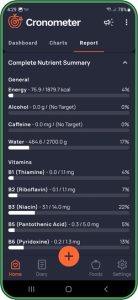
This way, you know how much water and electrolytes to drink. By setting clear fluid goals after your workout and using in-app tools like sweat-rate calculations, you can keep your muscles recovering well and boost your overall performance. It offers an enormous food database of over 5 million items, all for free, which makes checking what you eat super simple.
MFP is now the undisputed 800-pound gorilla of calorie tracking. It’s consolidating competitors instead of fixing its own product. And its most loyal users are paying the price. Apps guide and track progress, but cannot correct form or adapt emotionally like a trainer.
The primary drawback is its subscription-only model; there is no free version. Additionally, its food database, while solid, isn’t as expansive as giants like MyFitnessPal, and it lacks robust recipe import or meal planning tools. And drinking enough water throughout the day can also make you feel more alert, encourage you to be active, and help you stay focused. Many of these apps lean into your need to hydrate throughout the day by making it easy and satisfying to log your liquid intake. Aqualert notifies you throughout the day to keep you properly hydrated.
How Apps Can Transform an Athletes Diet
It’s more hand-holdy than pure tracking apps, which some people love and others find limiting. The database is large and reasonably accurate, though you’ll occasionally need to verify entries. The app includes goal-based coaching, challenges, and a supportive community if social features motivate you.
Where MyFitnessPal Falls Behind Today
They now capture real-time details like how well you slept, your daily steps, and even your recovery levels. Some apps go a step further by mixing in your food log. For instance, one app reported that a night of poor sleep along with a low-protein breakfast led an athlete to start their morning workout a bit slower.
MyFitnessPal – The All-Rounder Everyone Knows
It also offers fewer deep-dive micronutrient analytics compared to platforms like Cronometer. However, its data-heavy interface can feel more clinical and less intuitive for a beginner simply looking to count calories. While the free version is robust, features like advanced charts, timestamping, and custom biometrics are reserved for the paid Gold subscription. With widgets for your iPhone and Apple Watch, you can set reminders to make sure you quickly get hydrated and document the category of liquid you drink. The app also offers fun and healthy challenges to help make and break hydration habits, such as caffeine and alcohol intake. But if you want to get more exact with how much water you should be drinking every day, try a few of these apps we recommend for tracking your water intake and helping you stay hydrated.
It’s sophisticated, though the learning curve reflects that. Getting certified as a personal trainer is the first step but knowing how to apply those skills with real clients is what separates great trainers from the rest. In this webinar, ISSA content developers Jenny Liebl and Brooke Jeffries break down what it actually looks like to move from certification to confident coaching. Athletes generally need 1.2–2.0 grams of protein per kilogram of body weight per day to support muscle repair, recovery, and performance. The rule for athletes means eating a balanced meal 4 hours before exercise a lighter snack 2 hours before and a quick fuel boost 1 hour before to maximize energy and performance. What I love is that it makes healthy eating fun and doable A sprinter friend of mine swears by their high protein bowls she preps five at a time so she never has to scramble for post-workout meals.
