Exploring the psychological triggers behind gambling decisions
The Allure of Risk and Reward
Gambling presents an intoxicating mix of risk and reward that appeals to human psychology. The thrill of potential financial gain can lead individuals to engage in risky behavior, often outweighing their rational judgment. This compelling dynamic is rooted in the brain’s reward system, which releases dopamine—a neurotransmitter associated with pleasure—when we win. Thus, even the prospect of winning can spur individuals into action, creating a cycle of gambling that is hard to break. Additionally, players might find themselves intrigued by platforms like mafia-casino.uk, which offer a variety of gaming options.
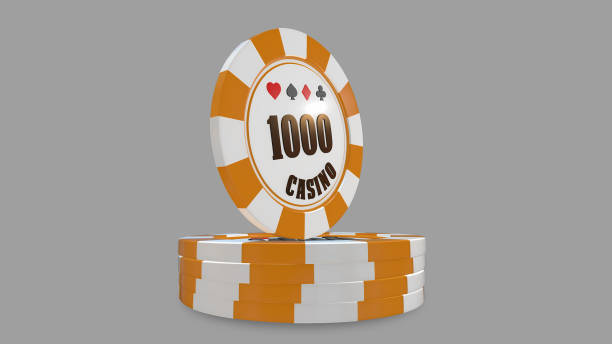
Moreover, the allure of risk taps into our innate desire for excitement and adventure. For many, the casino environment—filled with flashing lights and thrilling sounds—intensifies this psychological trigger. The sensory stimulation engages players, making them less aware of the potential consequences of their actions. This heightened state can lead to impulsive decisions, where the immediate excitement overshadows long-term implications.
Understanding the psychological framework behind the thrill of risk can shed light on gambling behaviors. For instance, individuals often seek out high-stakes games, believing that the potential for greater rewards will enhance their experience. This miscalculation illustrates how emotional responses can distort logical thinking, driving individuals to gamble beyond their means and ultimately leading to destructive patterns.
The Role of Social Influence
Social dynamics play a pivotal role in shaping gambling decisions. Whether through friends, family, or even celebrity influencers, individuals often find their gambling behaviors significantly influenced by their social circles. The phenomenon of social proof suggests that people are more likely to gamble if they see others doing so, as it normalizes the behavior. This influence can be particularly potent in settings like casinos, where the collective excitement can create a contagious atmosphere.
Furthermore, celebrities who gamble publicly can serve as role models, normalizing gambling and making it appear glamorous. The portrayal of gambling in media and pop culture creates an idealized image of success, where wins are magnified and losses downplayed. This skewed perception can make gambling seem like a viable pathway to wealth, particularly among impressionable individuals who idolize these figures.
As individuals become more engrossed in their social networks, the competitive aspects of gambling may also emerge. The desire to outperform peers or share in collective wins can lead individuals to make decisions they wouldn’t ordinarily consider. This competitive spirit can drive people to chase losses or engage in more hazardous gambling practices, further entrenching them in a cycle of risk-taking behavior.
The Psychological Impact of Superstitions
Superstitions are deeply intertwined with gambling, influencing decisions in profound ways. Many gamblers develop personal rituals or believe in lucky charms, thinking these practices might sway fate in their favor. This belief stems from the human tendency to attribute patterns and meanings to random events, which can often lead to irrational behaviors. Such superstitions may provide a sense of control amidst the inherent unpredictability of gambling.
Interestingly, the psychological need for control can further drive gambling behavior. When faced with uncertainty, individuals may cling to superstitions as a way to mitigate anxiety. This reliance on ritualistic behavior can become a coping mechanism, leading to more entrenched gambling habits. For example, a player might believe that sitting in a specific chair or wearing certain clothing can influence the outcome of a game, reinforcing their commitment to gambling.
In addition, the psychological effects of losing streaks can exacerbate superstitious behavior. Players often seek patterns or signs to rationalize their losses, leading them to double down on their beliefs. This can culminate in a vicious cycle where the more they lose, the more fervently they adhere to their superstitions, making it increasingly difficult to step back from gambling altogether.
The Desensitization to Losses
Desensitization to losses is another psychological trigger that can significantly influence gambling decisions. Over time, individuals who engage in regular gambling may become numb to the emotional impact of losing money. This desensitization can lead to a dangerous mindset where losses are viewed as a normal part of the gambling experience. This normalization can skew an individual’s risk perception, leading them to take increasingly larger gambles without fully appreciating the potential consequences.
The concept of “loss aversion” also plays a role here. This psychological phenomenon suggests that the pain of losing is felt more acutely than the pleasure of winning. Consequently, many gamblers chase losses in an attempt to recover what they’ve lost, which can lead to further financial ruin. Instead of stepping back to reassess their behavior, the emotional pain associated with losses often fuels more gambling.
In an attempt to escape the discomfort of losing, individuals may develop a form of cognitive dissonance, where they rationalize their choices. They might convince themselves that they are ‘due’ for a win or that a significant payout is just around the corner. This mindset not only exacerbates financial risk but can also lead to a profound sense of isolation as they become more entrenched in their gambling habits.
The Experience at Mafia Casino UK
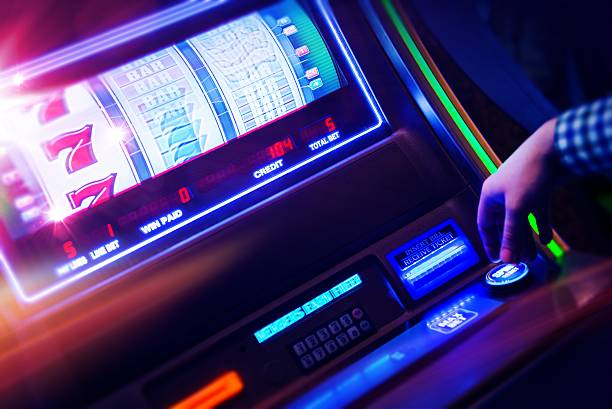
Mafia Casino UK offers a fascinating lens through which to explore these psychological triggers behind gambling decisions. With a vast selection of over 3,000 slot machines and various table games, the platform creates an engaging experience designed to captivate players. This immersive environment can amplify the psychological factors at play, making it essential for players to remain mindful of their gaming habits and emotional responses.
The casino also prioritizes user satisfaction, featuring prompt payouts and friendly customer support, which can further heighten the excitement of gambling. Promotions such as a generous welcome bonus and free spins not only attract new players but can also evoke feelings of euphoria and risk-taking behavior. Understanding how these promotional strategies interact with psychological triggers can help players make informed decisions about their gambling habits.
As players engage with Mafia Casino UK, it becomes crucial to approach gambling as a form of entertainment rather than a means to financial gain. By recognizing the underlying psychological triggers that influence decision-making, individuals can maintain a healthy balance in their gambling practices, ensuring a more enjoyable experience while safeguarding their financial wellbeing.
